1.1. The DRGC project
The DRGC project
The Developing Responsible Global Citizens project refers to a shared purpose to develop forward-looking language schools in the 21st Century and to encourage responsible, interconnected citizens who are committed to taking action and making the world a better place.
The DRGC framework is a detailed collection of specific learning outputs based on important 21st century topics, such as Community, Health, Environment, Diversity, and Innovation – referred to as the CHEDI topics. These are also highly relevant to the United Nations’ Sustainable Development Goals, translating the goals into meaningful, practical learning outcomes for an ELT classroom.
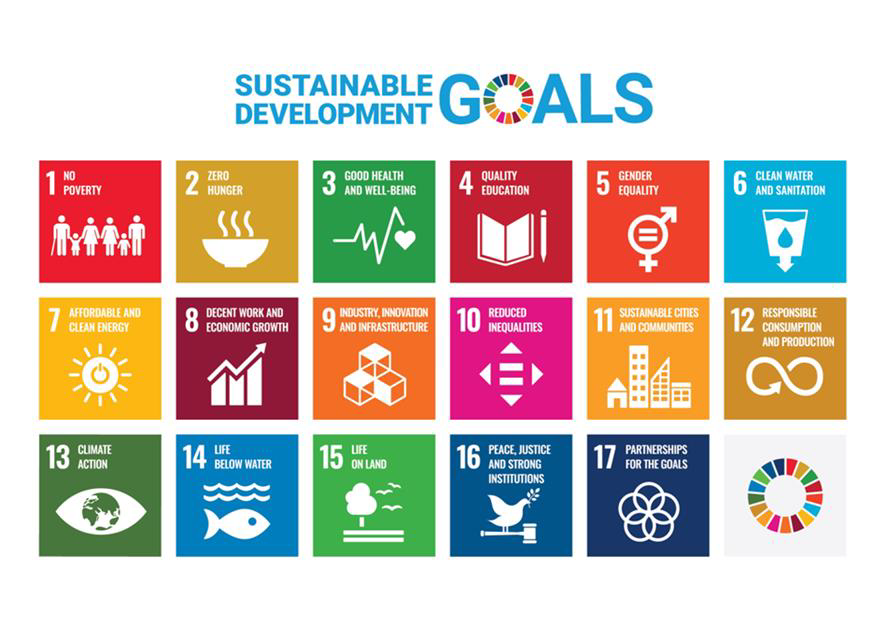
THE 17 GOALS | Sustainable Development (un.org)
These learning outputs have been aligned with CEFR ‘can do’ statements, focusing on the four main language skills (Listening, Speaking, Reading, Writing). In addition, they are designed to facilitate the acquisition of important 21st Century skills, such as critical thinking, creativity, problem-solving, collaboration, consensus-building, digital literacy, leadership, and communication skills.
Using the DRGC Curriculum and Syllabus Builder you are able to design courses for your students with topics, language, and communication skills in order to explore, decide and act on the many challenges our learners face globally, and to raise awareness and act on projects in the local community. The idea is to encourage learners in English language schools to become involved directly in the development of these initiatives in their local community, as well as taking the responsibility for their implementation and communication on a local, regional, and global level. In chapter 5 of this Handbook, and on the DRGC website, there are opportunities to link up with other schools and to participate on shared projects.
The DRGC project also aims to develop globally responsible citizens by promoting intercultural empathy and competence, developing an understanding of different cultures and diverse backgrounds, engaging with different perspectives, and recognising and challenging common stereotypes and prejudices.